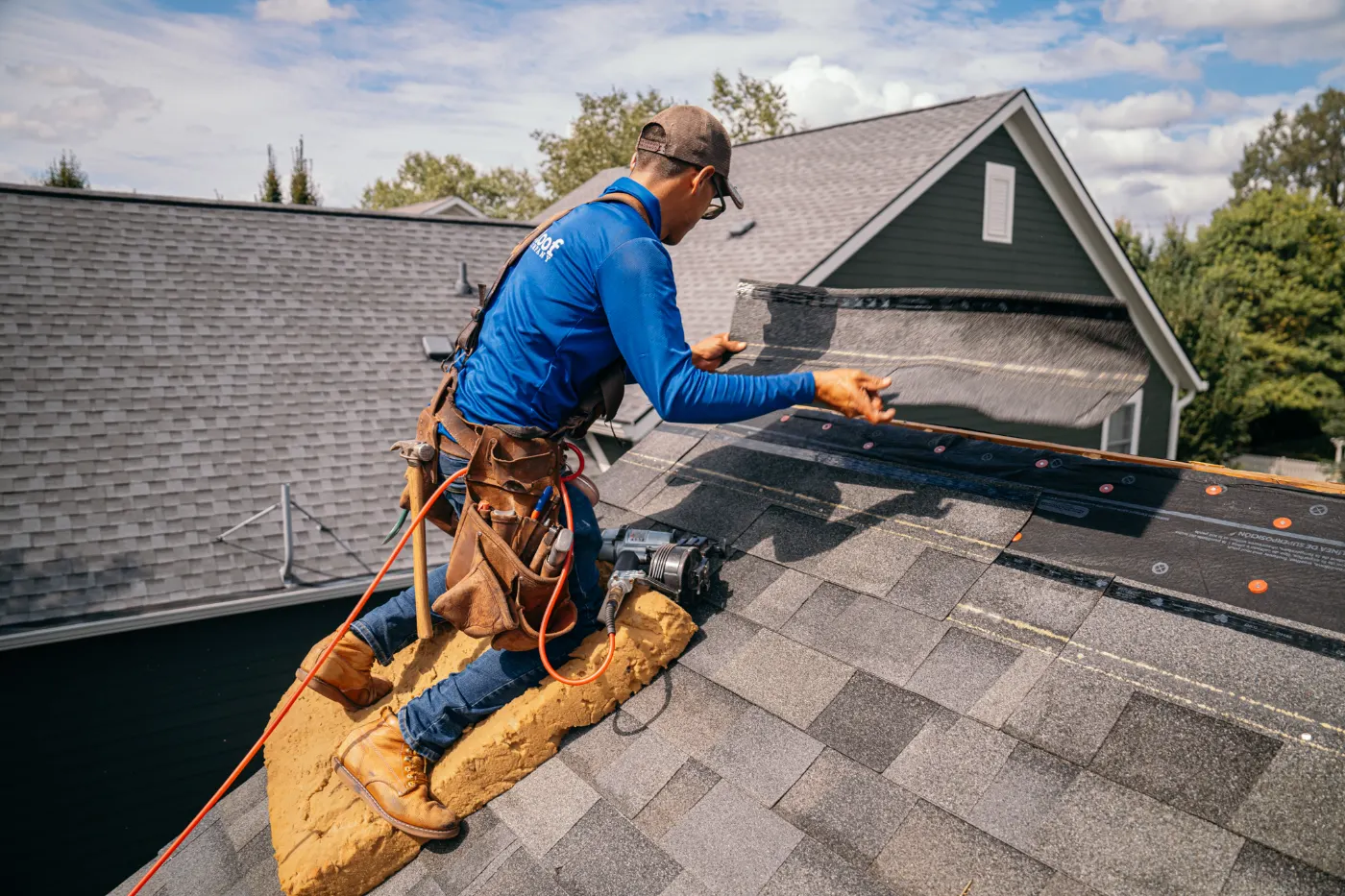
Roofers Serving Clay Corner and the Towns Around It
Clay Corner Roofing provides roof inspections, repairs, and replacements for homeowners in Clay Corner, from storm response to planned upgrades on aging shingles. Licensed and insured in Indiana, we offer free inspections and written estimates so you know exactly what your roof needs before any work begins.
If we're busy helping someone else and miss your call, we'll call you back within 15 minutes.



Clay Corner homeowners get one named lead from Clay Corner Roofing, first ladder to final walkthrough, with the file to keep. Call (765) 978-3528.
- Services: roof inspections, roof repair, emergency roof repair, roof replacement
- Service area: Clay Corner, Hamilton, IN and surrounding areas
- Response: Clay Corner homeowners reach a person, and active leaks get same priority dispatch
- Licensed and insured (License #RC21100059)
- Serving Clay Corner, IN since 2018
Schedule Your Free Roof Inspection
A Clay Corner roof inspection from Clay Corner Roofing is a hands on walk of the roof, not a glance from the driveway. The crew checks shingle condition (bruising, cracking, granule loss, lifted tabs), flashing around chimneys, valleys, and pipe boots, ridge and hip lines, and the usual problem areas where wind and hail leave their marks first. We document findings with photos so you see exactly what we saw, whether that means a targeted repair, a claim worth filing, or simply a clean bill of health with notes for next season. Since most Clay Corner homes still carry original builder installed shingles that have taken several storm seasons, catching small issues now keeps them from becoming full tear off conversations later.
I agree to be contacted by Clay Corner Roofing regarding my inquiry.
Pipe boots fail on schedule across Clay Corner. The neoprene collar that seals around a plumbing vent dries, cracks, and splits somewhere between year ten and fifteen, right about when homeowners have stopped thinking about the roof entirely. The fix costs little. The Hamilton ceilings below unfixed ones cost more, and the water always shows up somewhere other than under the pipe.
Clay Corner Roofing keeps Clay Corner pricing consistent whether the call comes in a quiet March or the week after hail. The estimate written during a storm surge matches the one written in the off season, because the roof did not change price and neither did the company. Across Hamilton, urgency pricing has a memory attached, and neighborhoods keep it longer than the companies that tried it.
Just want straight answers about your roof? Call Clay Corner Roofing at (765) 978-3528. Whether the hail did real damage, whether the moss matters, whether the estimate in your hand describes the roof you actually have. Clay Corner and Hamilton homeowners get the evidence and the honest read either way, and the informed ones tend to come back when it counts.
Payment Options That Work for You
We partner with established lenders so Clay Corner Roofing clients can spread the cost of a major roofing project into manageable payments. Ask your project lead about current options.
Pay for your project at a later time, but lock in today's pricing. Ideal for homeowners waiting on insurance settlements.
- No payments for 12 months
- No interest if paid in full
- Lock in current pricing today
Divide your project cost equally across 12 months with zero interest. Most homeowners choose this option for predictable budgeting.
- Equal monthly payments
- 0% interest for 12 months
- Simple, predictable budgeting
Spread your investment over up to 20 years with fixed equal payments. The right choice for larger projects or homeowners who prefer lower monthly amounts.
- Up to 20-year terms available
- Fixed equal payments
- Ideal for larger projects
Financing provided by Slice, Foundation Finance, Regions. Subject to credit approval. Rates, terms, and promotional periods are set by the lender and disclosed in writing before you sign.
What Clay Corner Homeowners Call Us For
From inspections and repairs to full replacements, Clay Corner Roofing handles every roofing project with manufacturer-certified crews and clear documentation.
Roof Inspections in Clay Corner
A hands on roof inspection for Clay Corner homes covering shingles, flashing, valleys, penetrations, and problem areas, with photo documentation of what we find. Free and no obligation.
Learn moreRoof Repair in Clay Corner
Targeted roof repairs for Clay Corner homes, from replacing damaged shingles and resealing flashing to fixing wind lifted sections and worn pipe boots before small issues turn into bigger ones.
Learn moreEmergency Roof Repair in Clay Corner
Priority response for active roof leaks and storm damage on Clay Corner homes, including temporary tarping and stabilization to stop further water intrusion until a permanent repair can be scheduled.
Learn moreRoof Replacement in Clay Corner
Full roof replacement for Clay Corner homes, including tear off of the old system, inspection of the decking, new underlayment, flashing, and shingle installation to manufacturer specifications.
Learn moreDesigner Roofing in Clay Corner
Designer roofing options for Clay Corner homeowners who want an upgraded look, including premium shingle profiles and color coordination that meets HOA covenant requirements in the West Clay corridor.
Learn more
Local Expertise, Real Results
The reason Clay Corner neighbors trade our name around is that the second roof on the street goes like the first.
Flashing and valleys are where roofs actually leak. Clay Corner Roofing replaces flashing instead of reusing it, details valleys to the manufacturer method, and photographs both, because those photos are the roof's real warranty.
Clay Corner Roofing serves Clay Corner and the surrounding Carmel corridor with focused roofing work, from single shingle repairs to full replacements. Founded in 2018 by Aaron Christy, we have spent years on Hamilton County roofs, learning how central Indiana weather actually treats architectural shingles over time. Our crews are licensed and insured, work locally, and know the streets around Clay Corner well enough to plan jobs around alley entry garages and tight driveways. Whether you are in Clay Corner, Bridgewater, or Shadow Wood, we show up prepared, take the roof seriously, and treat the property like it belongs to a neighbor.
The way we work is straightforward. Every Clay Corner job starts with a thorough on roof inspection, photo documentation of what we find, and a written estimate that spells out the scope in plain language. If it is a small repair, we say so. If the shingles are damaged enough to justify replacement, we show you the evidence and explain the reasoning. On installation day, the crew protects landscaping, keeps the site tidy, and finishes with a walkthrough so nothing is left guessed at. No pressure sales, no vague verbal quotes, no surprises after the truck leaves.
Our Promise
Three things every Clay Corner homeowner gets from Clay Corner Roofing. First, a free on site roof inspection before any conversation about scope or cost, with photos of what we actually see. Second, an honest written estimate with clear line items, so there are no mystery add ons after work starts. Third, clean workmanship backed by a workmanship warranty on top of the standard manufacturer coverage that comes with the shingles. Straight answers, plain paperwork, and a roof done right.
The Clay Corner Roofing Difference on Clay Corner Roofs
We work in Clay Corner and Hamilton, using solid materials, inspecting carefully, and quoting openly.
Storm And Hail Response
When a hail or wind event moves through Hamilton County, roofs take the hit first. We prioritize storm damage inspections and document bruising, granule loss, and lifted shingles with photos while the evidence is fresh. You get a clear read on whether the damage warrants an insurance claim or a simple repair.
Local Roofing Experience
We know Clay Corner homes. The moderate to steep pitches, the streetscape facing rooflines, the alley entry layouts, and the fact that most of these roofs are still on their original architectural shingles. That context shapes how we inspect, how we scope, and how we schedule the work around your household.
Full-Scope Roofing
From a single flashing repair to a complete Clay Corner roof replacement, the work stays under one roof, ours. Inspection, estimate, material selection, installation, and final walkthrough are handled by the same team. No handoffs, no finger pointing when a question comes up mid project.
Insurance Documentation Done Right
If your roof took storm damage, the paperwork matters as much as the shingles. We photograph the damage, note the affected slopes and components, and put it all in a format your insurance carrier and adjuster can actually use. You stay in control of the claim, we just make the evidence easy to read.
Real Jobs. Real Results.
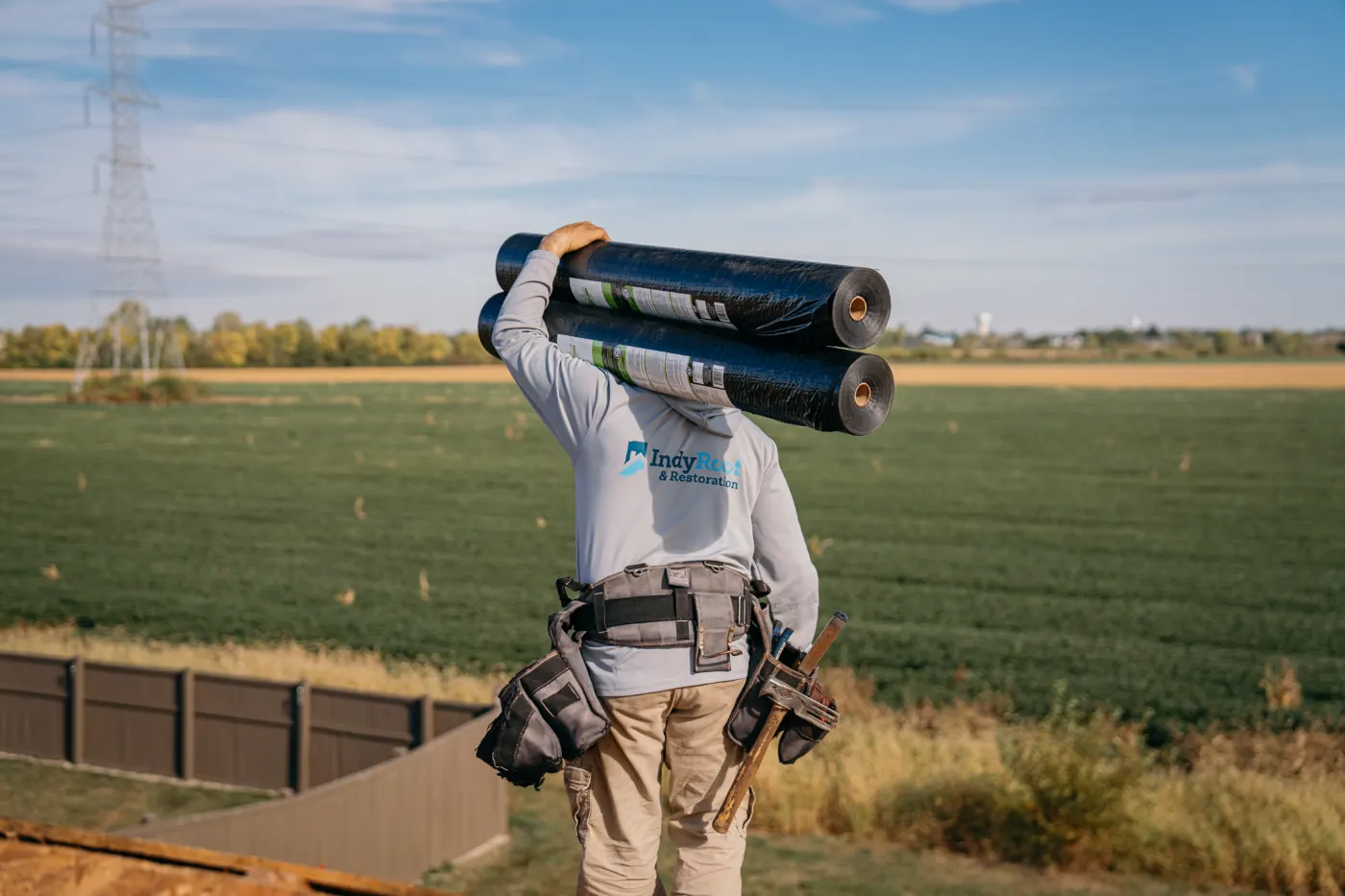
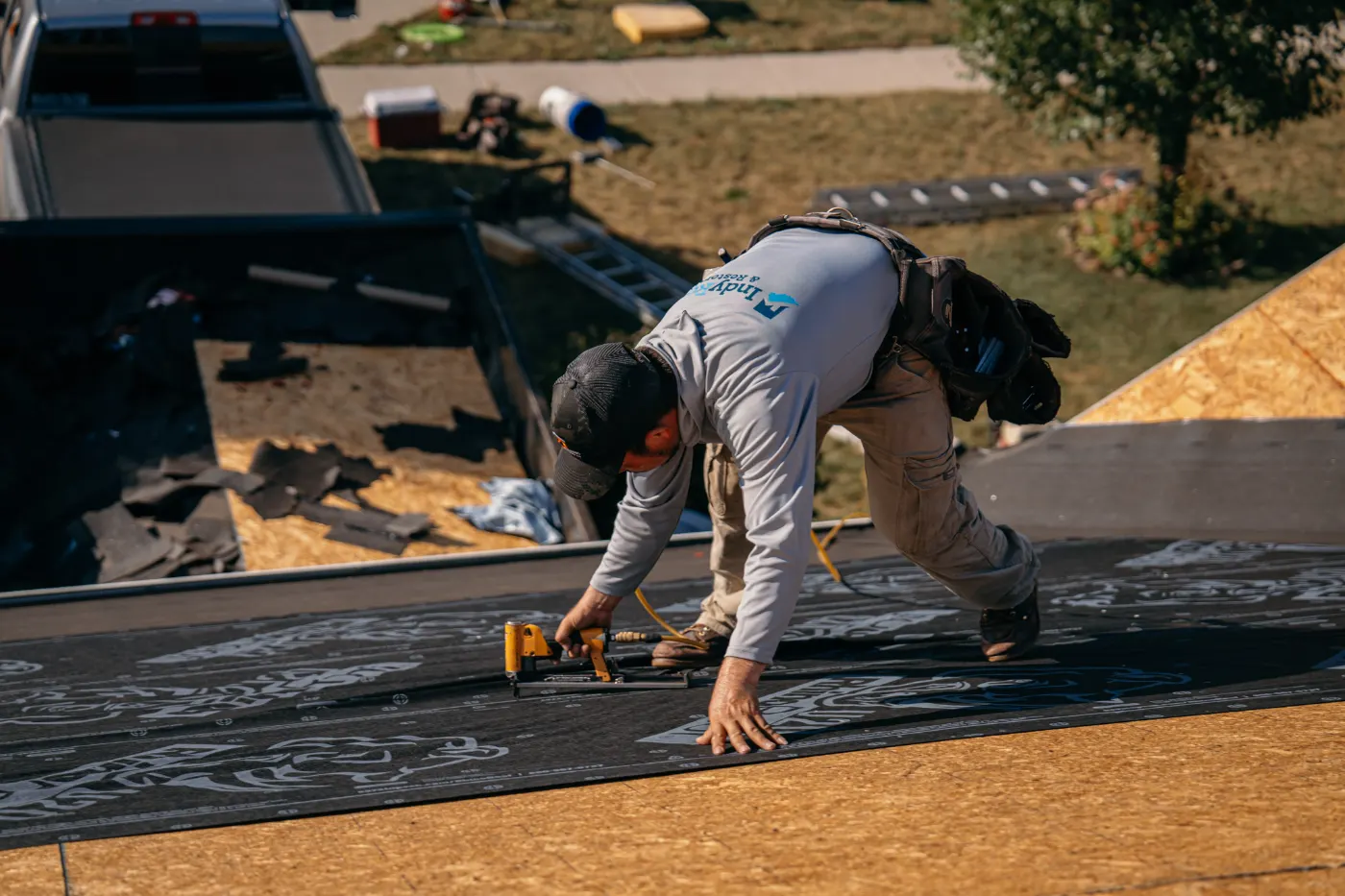
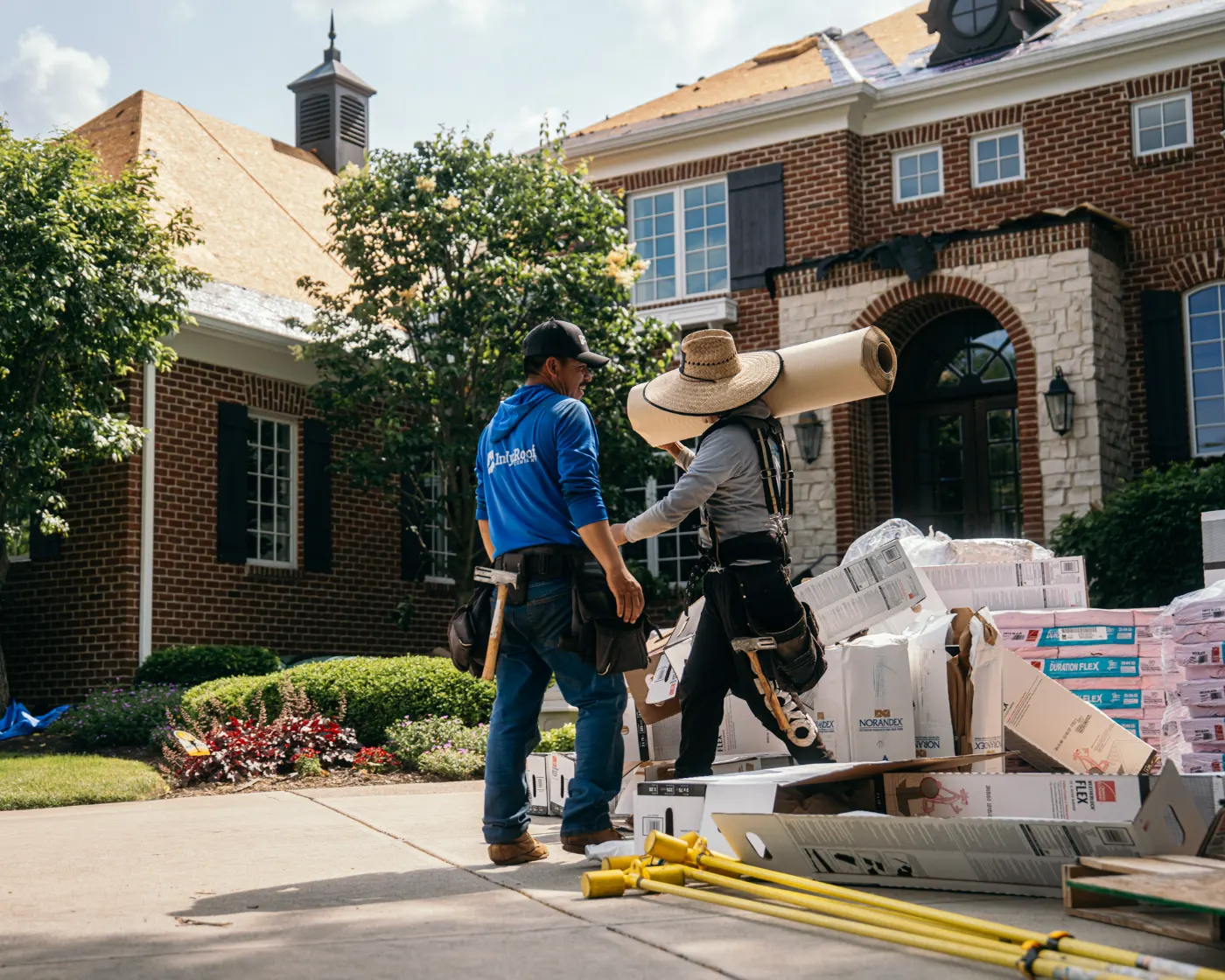
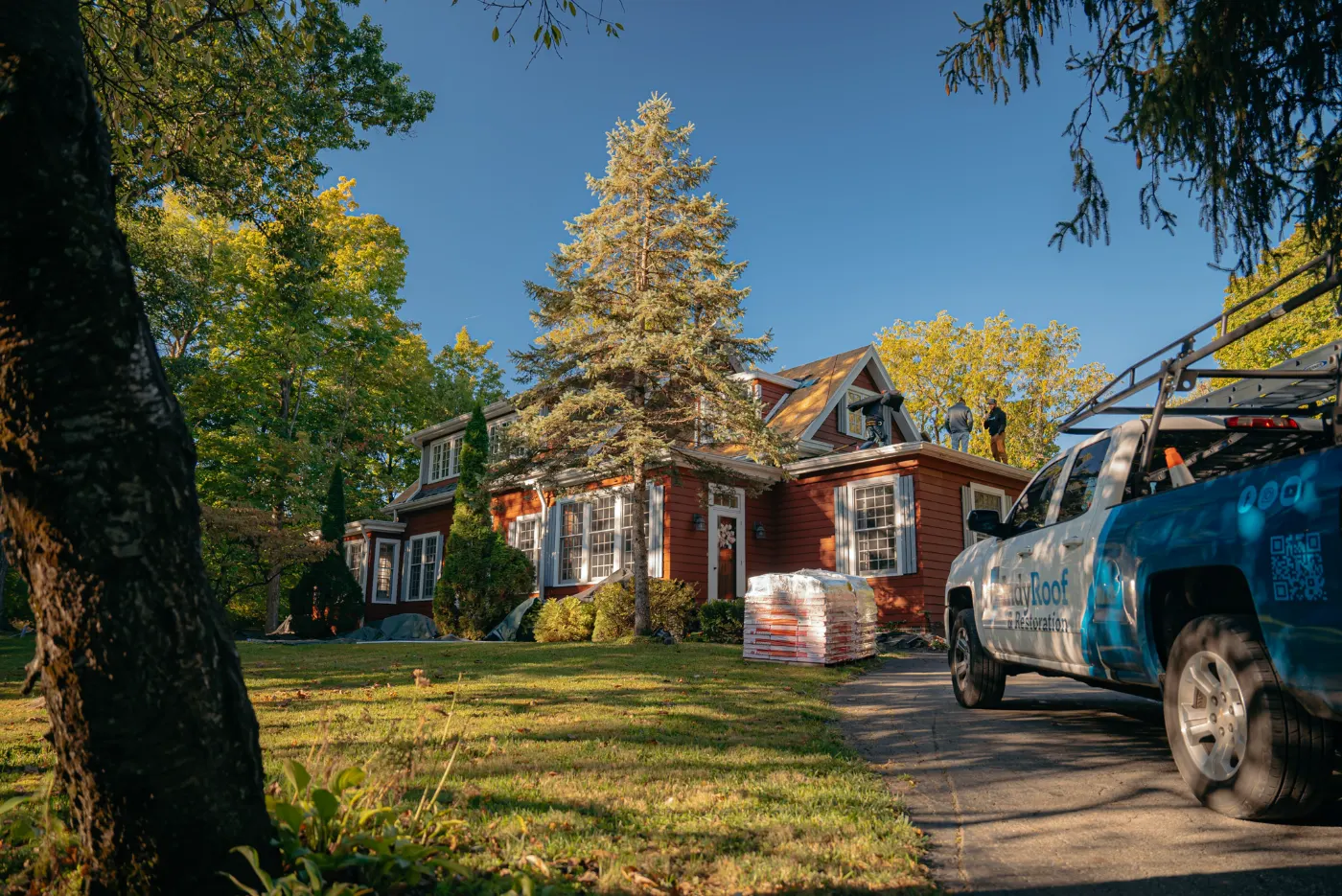
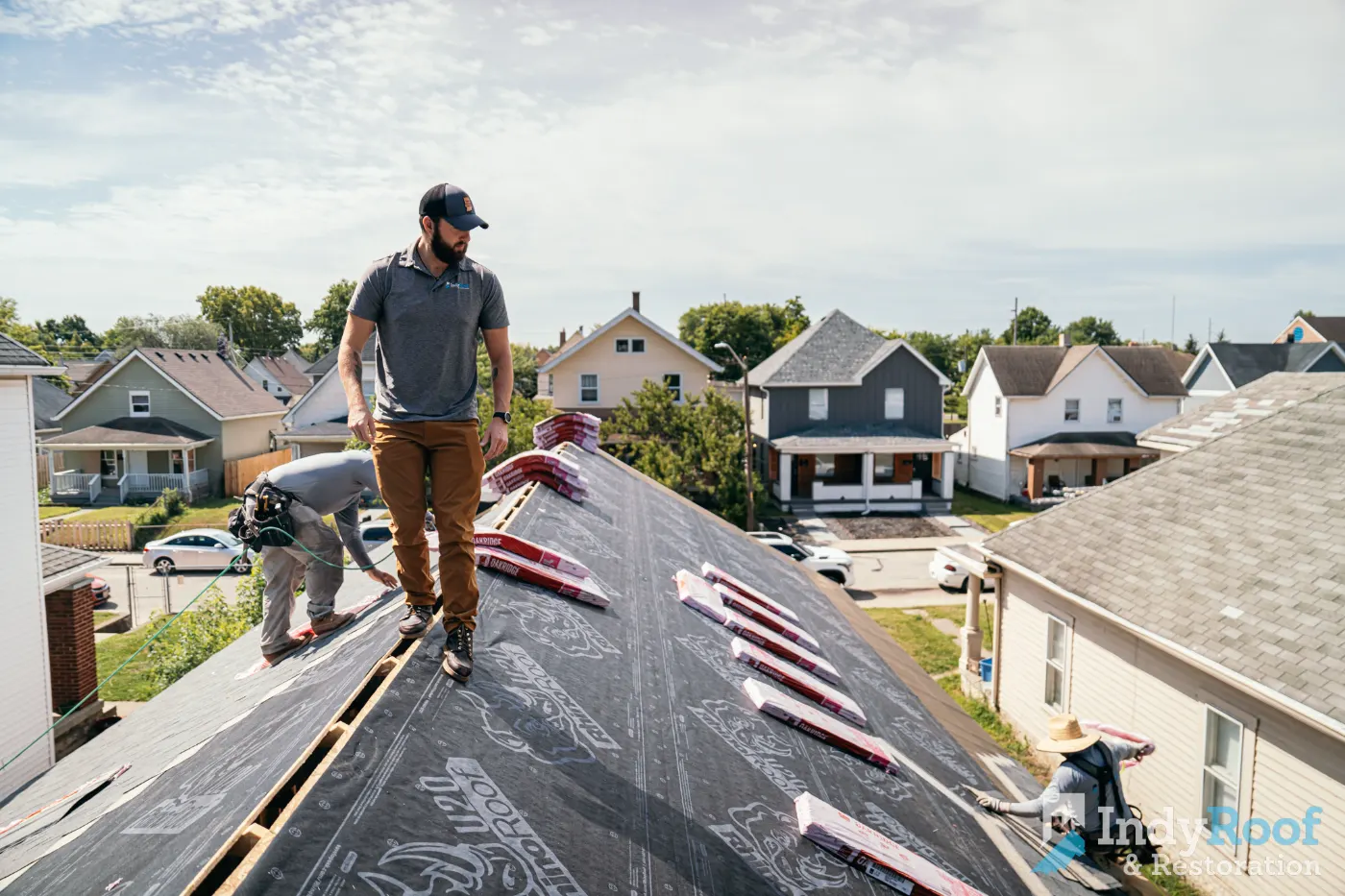
Photos from recent roofing projects completed by our manufacturer-certified crew across Clay Corner and Hamilton. Every project is documented with photos and a written closeout package.

What Happens on Every Clay Corner Roof
Every Clay Corner project starts with an on site inspection. A crew member walks the roof, checks shingles, flashing, valleys, penetrations, and the usual failure points, and photographs anything that looks worn, bruised, cracked, or storm hit. We note age indicators, granule condition, and any spots that need attention now versus later. Before we leave, you get a clear read on the roof's condition and, if work is needed, a defined scope in plain terms. No pressure to sign anything on the spot, just an honest picture of where your Clay Corner roof stands.
Next comes the written estimate. You get line items you can read, materials specified, and a scope that matches what the inspection actually found on your Clay Corner roof. If storm damage is in play, we hand over the photo documentation and notes you need to file with your insurance carrier, and we can meet the adjuster on the roof to walk through the findings together. works with your insurance carrier and we never name policies we cannot see. Your claim stays yours, we just make sure the evidence is thorough.
Once the estimate is approved, we schedule the work around your calendar and the weather. On job day, the Clay Corner crew protects landscaping and siding, sets up safe staging, tears off or repairs as scoped, and installs new materials to manufacturer specifications. Magnetic sweeps catch stray nails, tarps catch debris, and the site gets cleaned before the trucks pull away. A final walkthrough closes the job so you can point at anything that needs a second look, and the workmanship warranty paperwork gets handed over with the invoice.
Free Inspection With Photos
Every project starts with a no cost roof inspection. We document conditions with photos so you see the same evidence we do. That becomes the basis for any repair or replacement conversation, not a guess from the ground.
Honest Written Estimate
You get a written estimate in Clay Corner with clear line items, specified materials, and a defined scope. Nothing gets added later without a conversation first. If a repair will hold, we say so instead of pushing a replacement.
Insurance Documentation
For storm damage claims, we photograph and note everything your carrier and adjuster will want to see. We can meet the adjuster on the roof to review findings. You file the claim and we support it with evidence, works with your insurance carrier.
Clean Work And Walkthrough
On completion, we sweep for nails, remove debris, and walk the finished roof with you. Any concerns get addressed before the job closes. Workmanship warranty paperwork and manufacturer coverage details come with the final invoice.
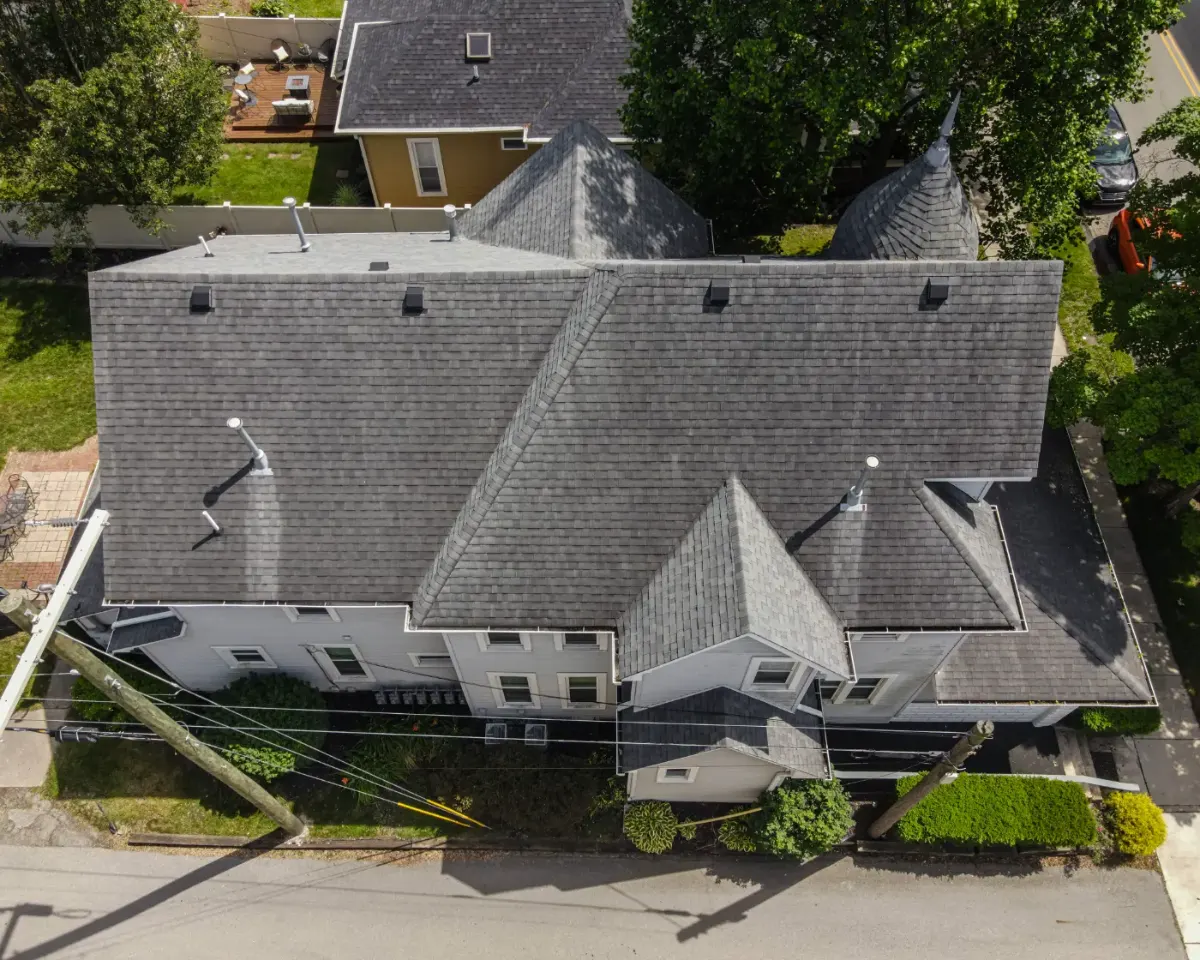
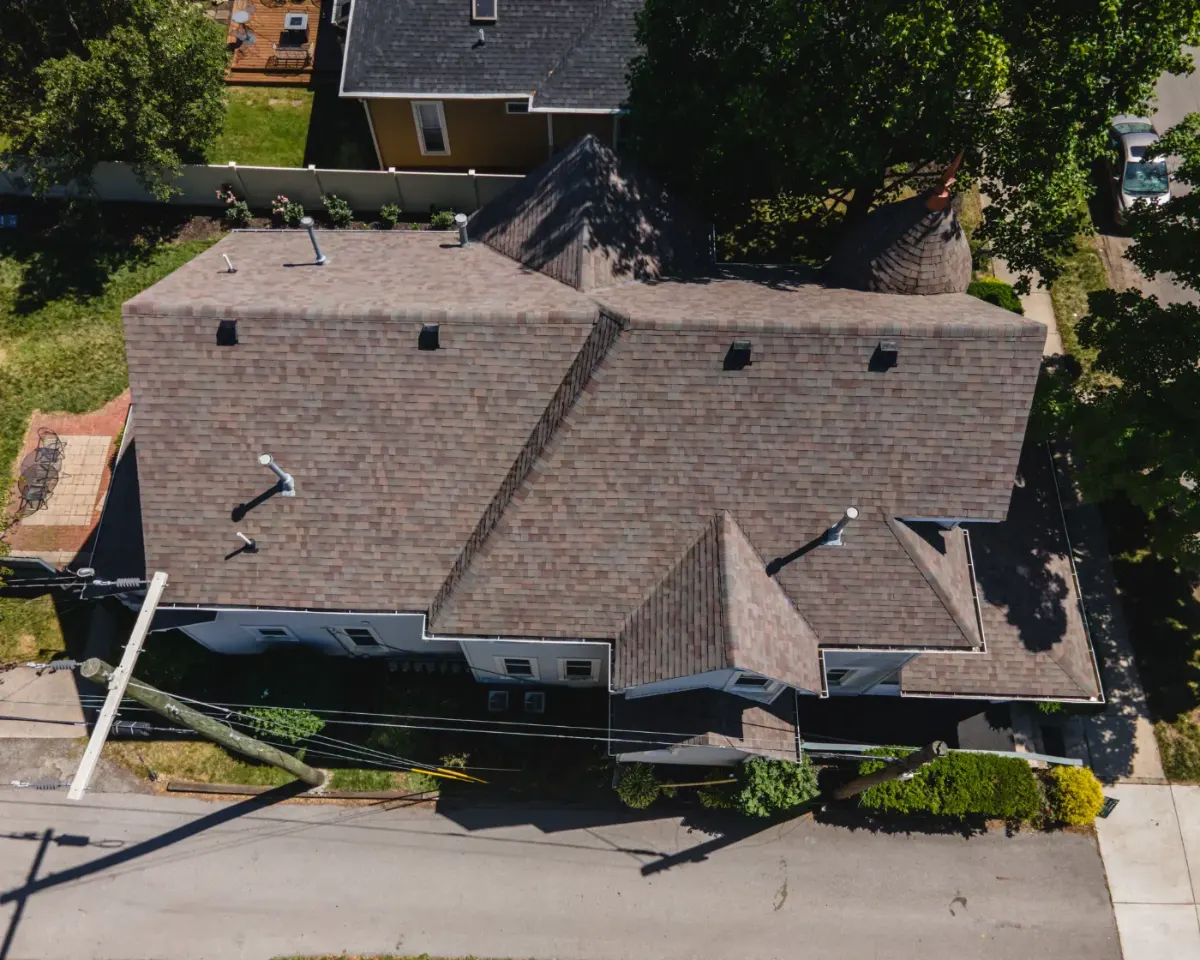
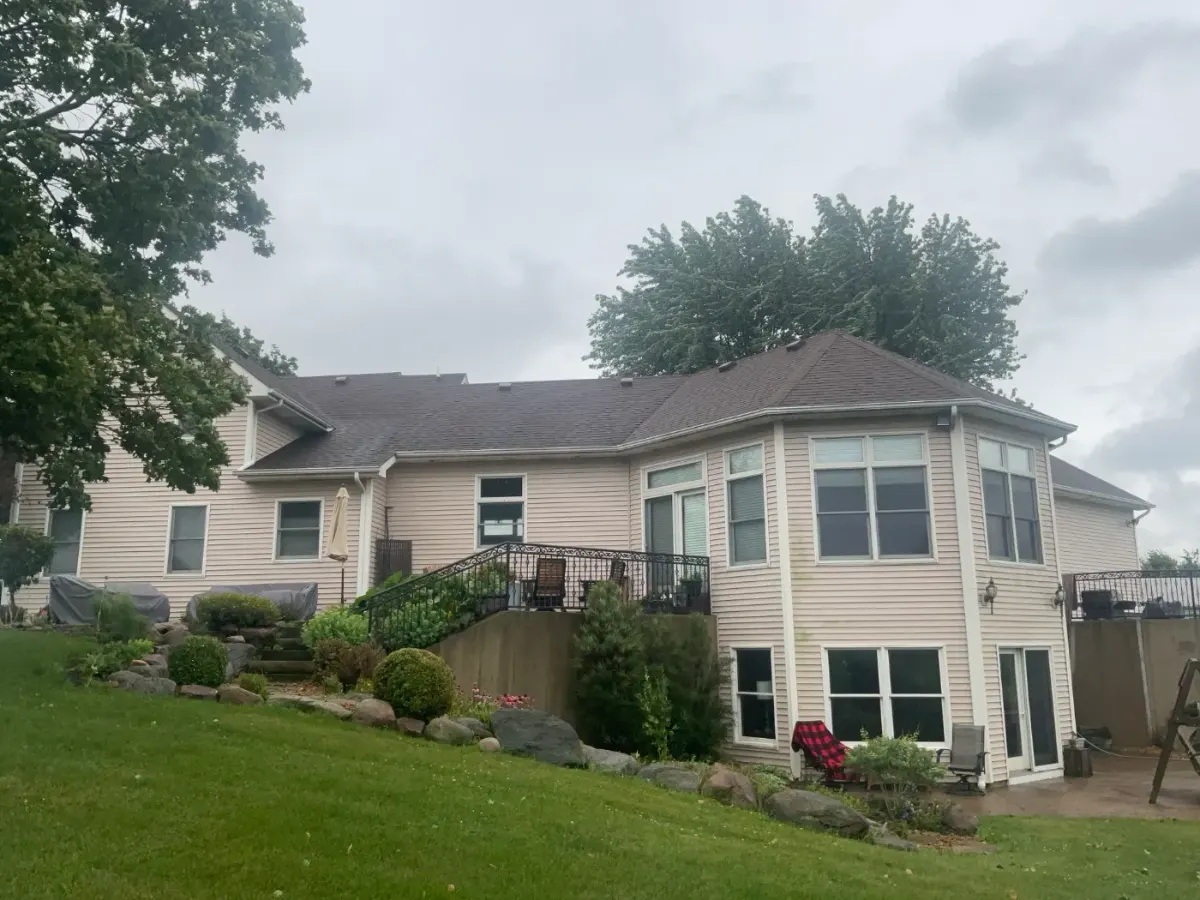
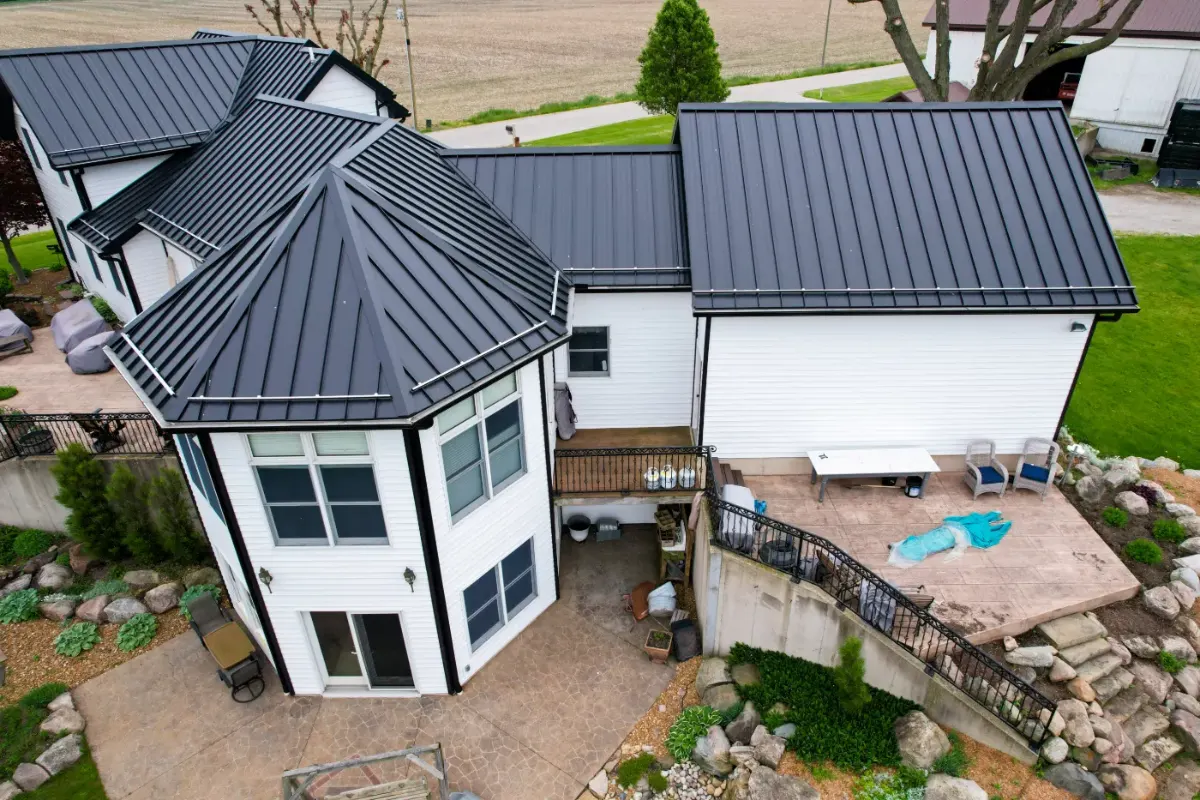
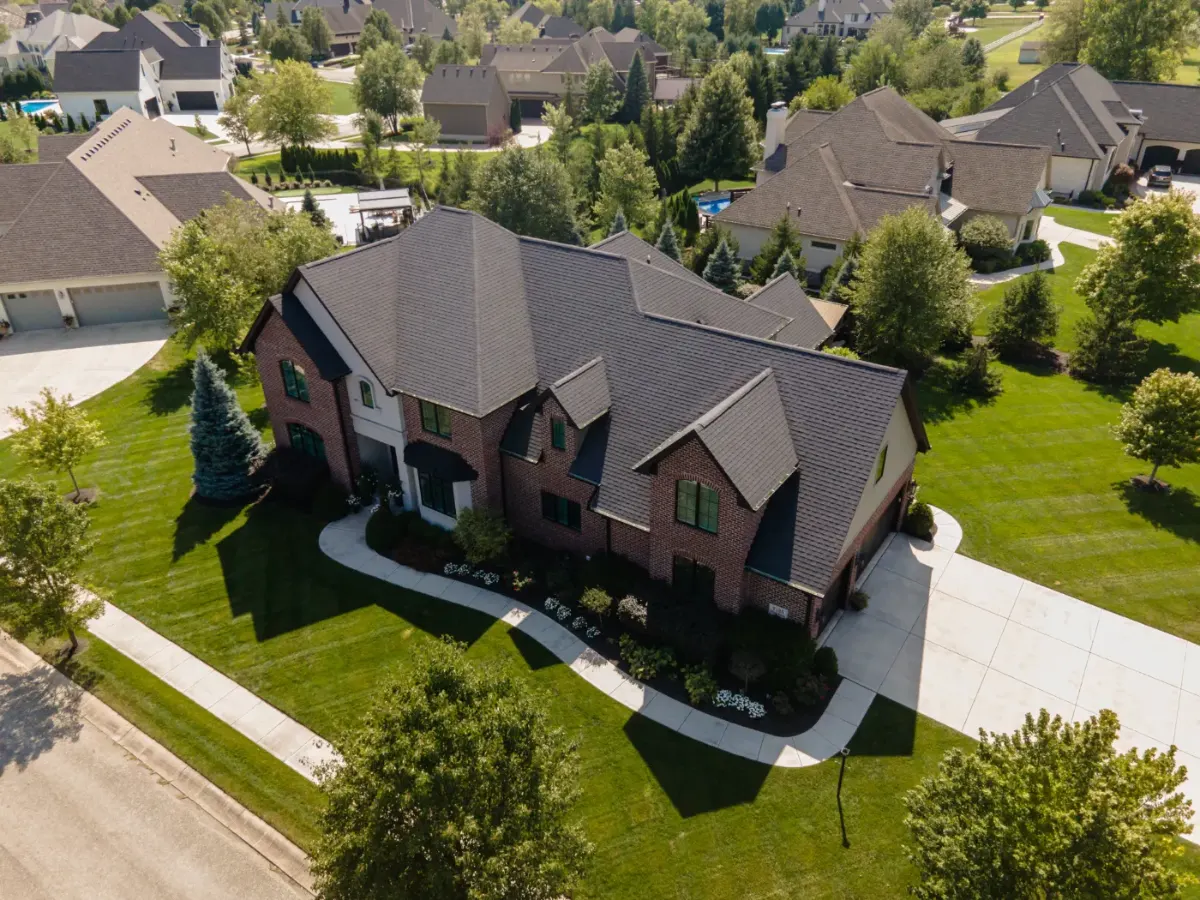
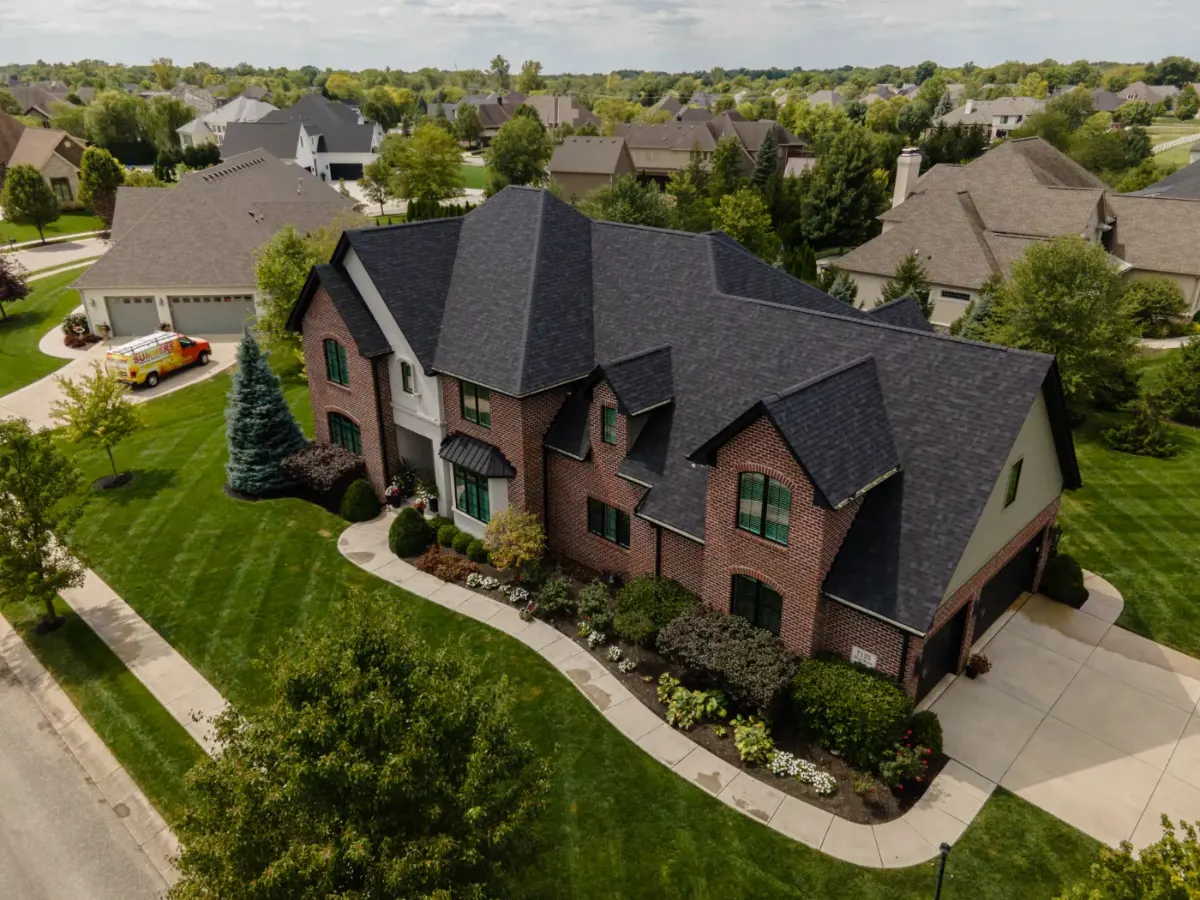
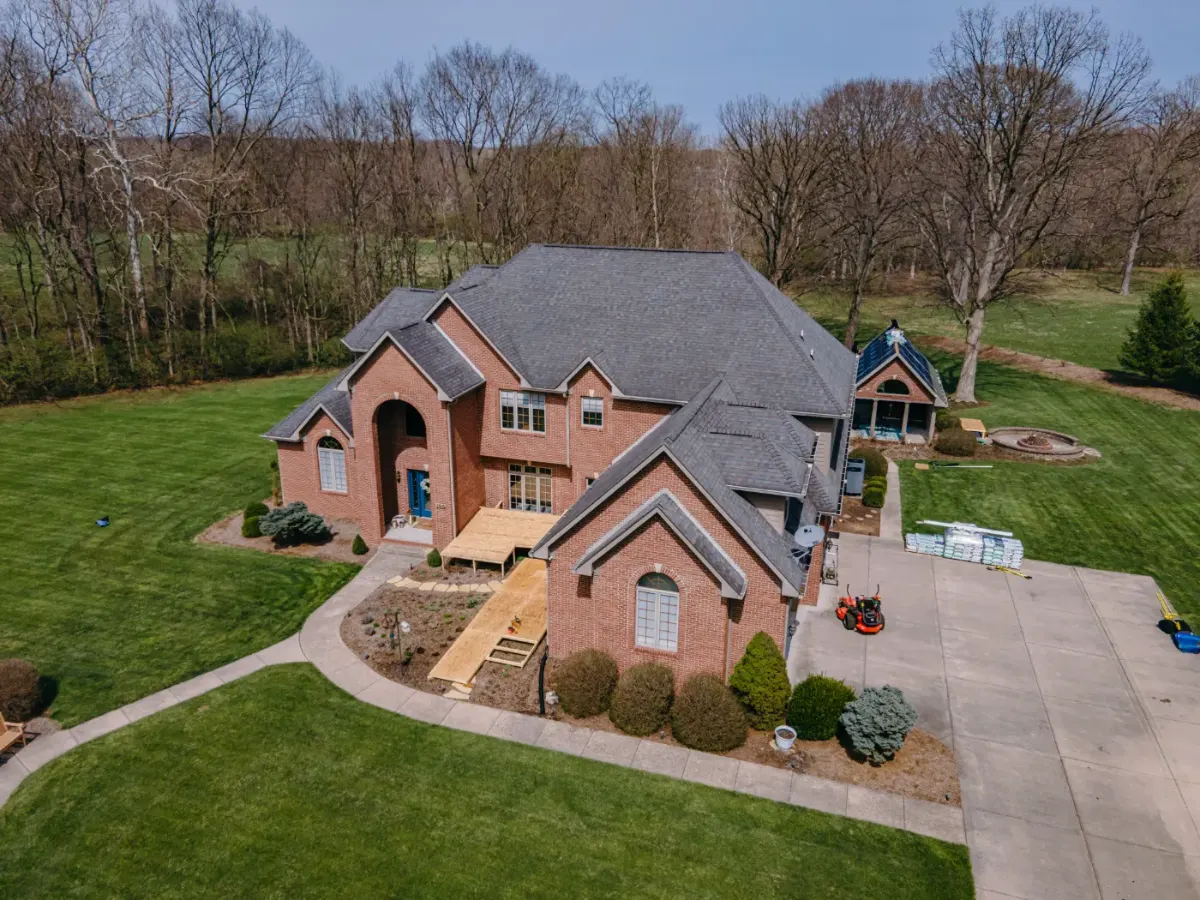
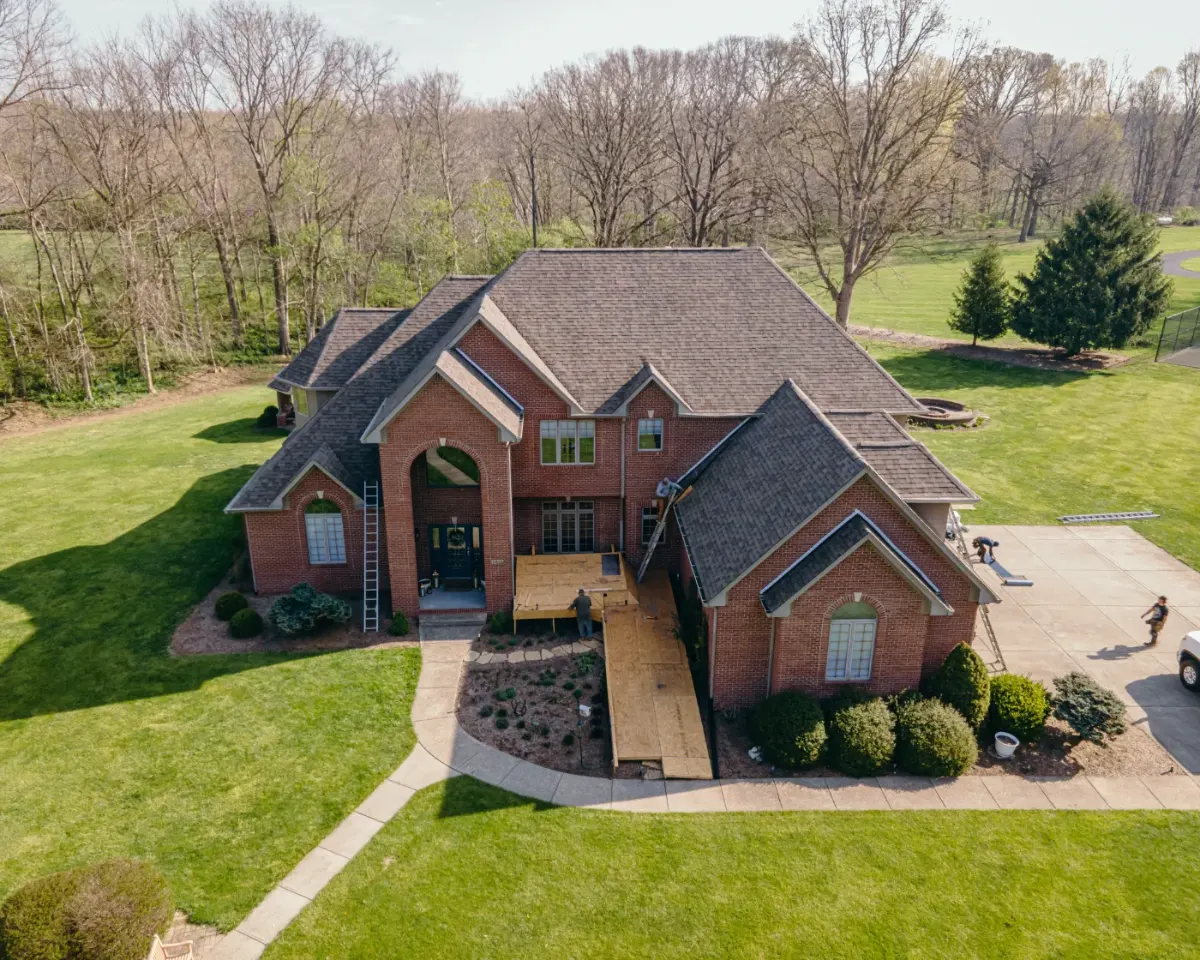
Recent Clay Corner roofing projects
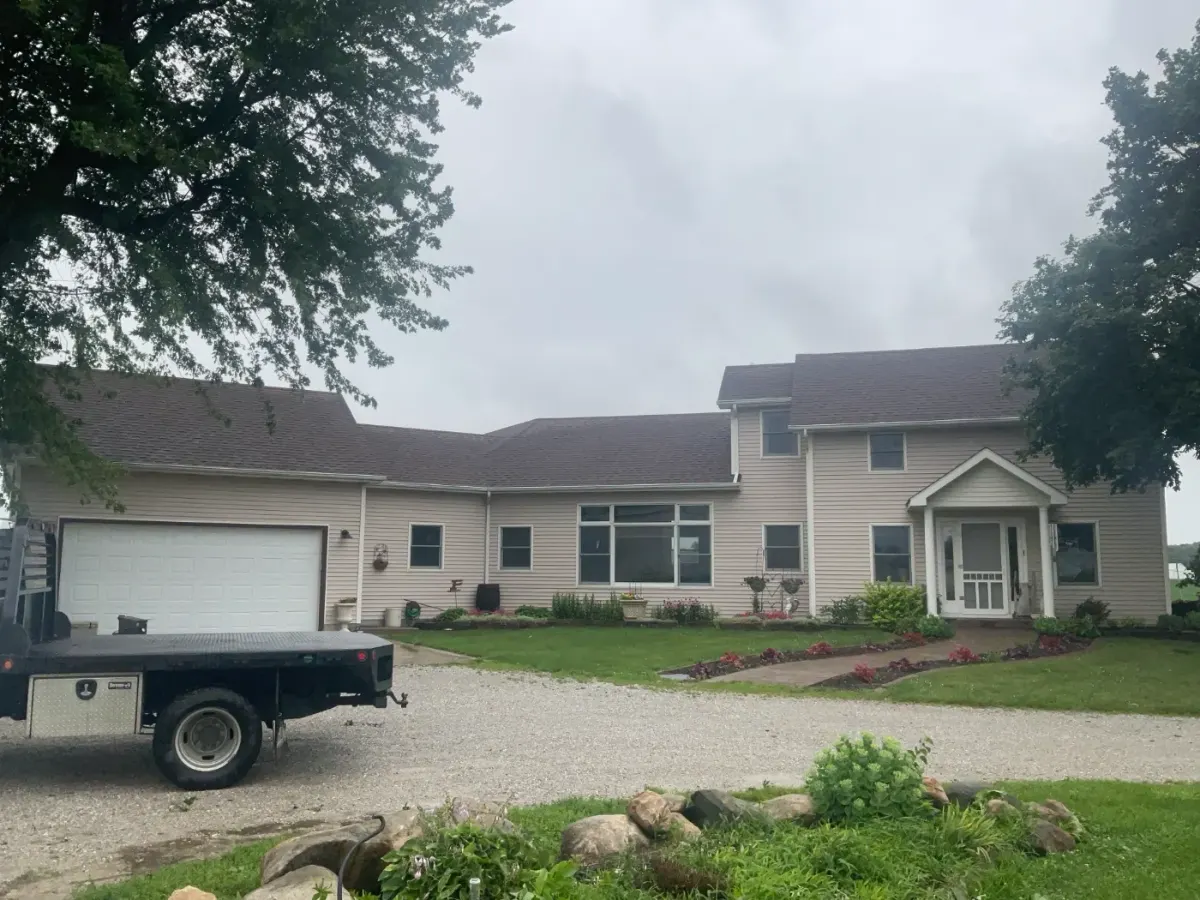
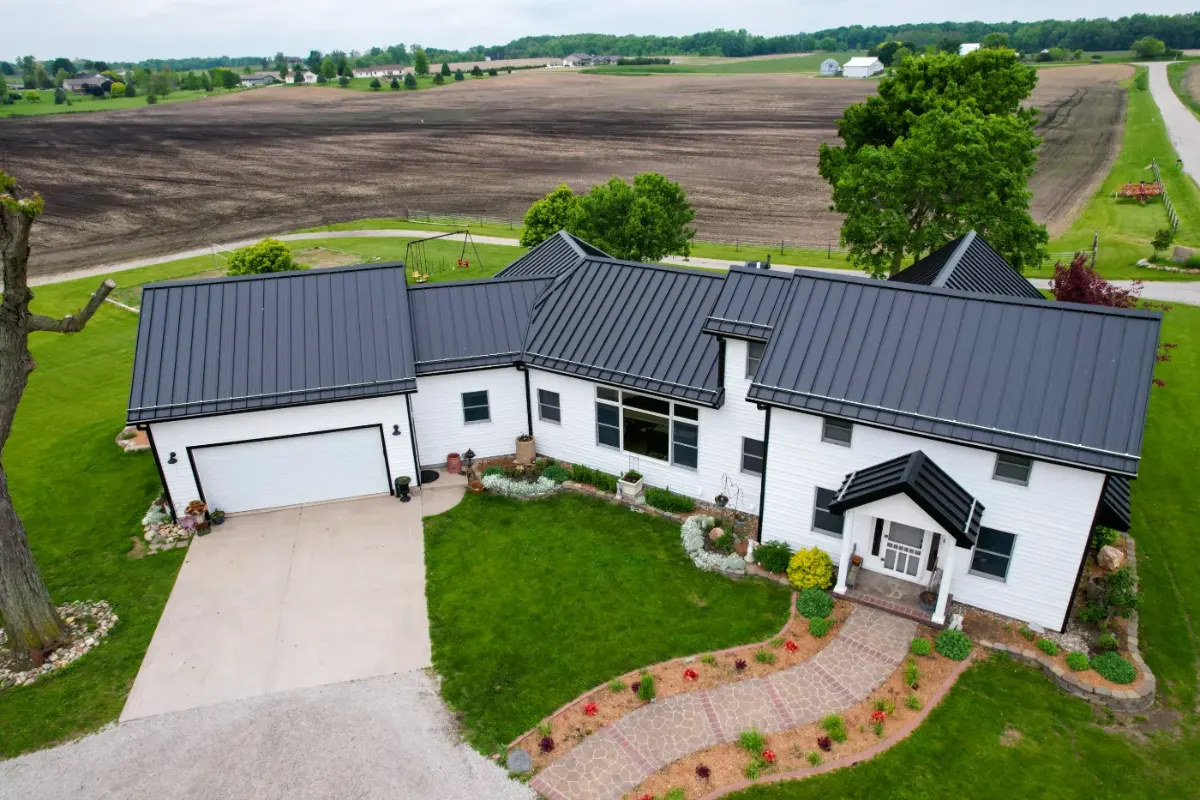
Before-and-after documentation from real Clay Corner projects. Same photo angles before and after the work.
What we see most often on Clay Corner roofs
Clay Corner homeowners typically call us about these scenarios.
Debris Packing Into the Valleys
Valleys carry runoff from two slopes at once, so anything that slows the water there matters. Leaves and needles pack in over a Clay Corner winter, washed-down granules cement the pile together, and the backed-up water works sideways under the shingle laps until it finds the deck. Clay Corner Roofing clears the valleys during the inspection and tells you whether the metal underneath is worn through or just dirty.
Tree Limbs Resting on the Roof
Roof damage from trees often has nothing to do with a limb coming down. A branch in contact with the surface is moved by every breeze, scrubbing the same few shingles until that strip loses its granules. Clay Corner Roofing sorts the limbs that need cutting back from the ones far enough off the slope to be left alone.
Roof Leaking After a Storm
Wind lifts shingle tabs and breaks seal strips, and the leak often shows up rooms away from the entry point as water tracks along decking and framing. Clay Corner storms produce exactly this call every spring. Clay Corner Roofing traces the actual entry point, documents wind damage to carrier standards, and repairs the field, not just the stain on the ceiling.
Gutters Pulling Away From the Fascia
When gutters sag in Clay Corner, the usual cause is not the gutter. It is fascia board that has softened because water has been running behind it. Clay Corner Roofing checks the fascia and the drip edge before quoting gutter work, because rehanging a gutter on rotten wood buys you one season.
Porch Roofs Too Flat for Shingles
Porch and addition roofs are usually shallower than the main slopes. A shingle roof sheds water downhill by overlapping; it does not hold water back, so wind-driven rain in a Clay Corner storm gets under the laps and shows up along the wall inside. Clay Corner Roofing tells you when the answer is a proper low-slope material instead of another course of shingles.
Missing or Lifted Shingles
A few missing tabs after a Clay Corner wind event usually mean the surrounding shingles broke their seal too, including the ones still lying flat. Spot replacing only what blew off leaves the slope open to the next front. Clay Corner Roofing checks seal integrity across the whole area and quotes the repair that actually holds through the next season.
Three Simple Steps
Every Clay Corner Roofing project runs on a disciplined process, from the free inspection through to completion.
Free Inspection
Our review of your roof includes photo documentation of conditions and a direct, practical explanation of what turned up. Inspection times are set to fit your schedule.
Transparent Estimate
You get the recommended work written out, item by item, with what each one does for your property. Nobody pushes. Options get explained at whatever pace suits you.
Quality Installation
Our crews pay attention, keep to consistent timelines, and treat your property carefully. We handle manufacturer warranty registration under your name.
Clay Corner on Our Ladder Manners
4.9 stars across 2,307+ Google reviews.
"Hail damage replacement after the spring storm. They worked directly with our insurance carrier, documented the damage thoroughly, and made the claim process simple. Replacement completed within three weeks of the storm."
"After two other contractors gave different diagnoses on the same leak, this crew traced it back to the actual source (ridge vent flashing, not the visible water stain area). Fixed it correctly the first time."
"Honest assessment. Fair pricing. Quality work. Recommended without reservation. They will be the team I call for the next roof."
"Free inspection after a windstorm. They told us the damage was cosmetic and the roof was not ready for replacement. Most contractors would have pushed for replacement. Honest assessment."
Before You Sign a Clay Corner Roofing Contract
Straight answers to the questions Clay Corner homeowners ask most.
Indiana Weather Affects Roofs Year Round
The country doesn't have many places with weather this varied. In Clay Corner, homeowners handle hail and severe thunderstorms each spring, UV exposure during summer, wind storms in the fall, and freeze thaw cycles once winter sets in. Knowing how Indiana behaves is how we schedule maintenance, repairs, and replacements.
Hail Bruising And Cracking
Central Indiana hail seasons hit Clay Corner roofs hard, and the damage is not always visible from the ground. Hail strikes bruise the mat under the shingle surface and crack the asphalt layer, shortening service life even when the roof still looks fine. When called in, we inspect slope by slope, photograph impact points, and give you an honest read on whether repair or a claim makes sense.
Wind Lifting And Tearing
Straight line winds during Hamilton County thunderstorms can lift shingle tabs, break seal strips, and tear pieces off entirely, especially on exposed streetscape facing slopes. Once the seal is broken, the next storm drives water underneath. We check tab adhesion, re secure or replace affected shingles, and note any pattern that suggests the whole slope is compromised.
Ice Dams On North Slopes
Indiana winters build ice at the eaves, particularly on north facing Clay Corner roof slopes where snow lingers. Water backs up under shingles, works past the underlayment, and finds its way inside. We inspect for underlayment gaps, damaged shingle courses, and flashing issues that let ice dams do real damage, then repair the failure points properly.
Granule Loss On Aging Shingles
The asphalt shingles on most Clay Corner homes are five to eight years old and starting to shed granules from cumulative storm exposure. Granule loss exposes the asphalt layer to UV and accelerates aging. We check gutters and downspouts for granule buildup during inspections and flag slopes where wear is running ahead of the rest of the roof.
Choosing the Right Roof for Clay Corner Homes
An honest breakdown of the three systems we install most frequently.
Architectural asphalt shingles are the most common choice on Clay Corner roofs, and for good reason. They balance upfront cost with dependable performance against Indiana wind, rain, and moderate hail, and they come in enough color and profile options to match the traditional and transitional styles in the neighborhood. Manufacturer warranties on architectural asphalt are strong, typically covering decades of service when installed correctly. They are lighter than metal, easier to repair in sections, and match what most homes in the corridor already have on them. For homeowners replacing an aging builder grade roof, architectural asphalt is usually the straightforward answer.
Impact resistant Class 4 shingles are built to take the kind of hail that bruises and cracks standard architectural asphalt. For Clay Corner homeowners who have already been through a couple of central Indiana spring storm seasons, the upgrade is worth a serious look. The reinforced mat holds up better against hail strikes, granule retention tends to last longer, and the shingles carry the highest impact rating available from most manufacturers. Ask your insurance carrier whether your policy offers a premium credit for Class 4 materials, some do and some do not, so it is worth a phone call before you decide. The upfront cost is higher, the tradeoff is longer usable life.
Standing seam metal roofs offer the longest service life of the three tiers, often lasting decades beyond a typical asphalt roof. The concealed fasteners eliminate the exposed nail heads that eventually fail on other systems, and the smooth panels shed snow and ice cleanly, which matters during Indiana winters. Upkeep is minimal once installed. The tradeoff is honest: standing seam costs more upfront than asphalt, sometimes considerably more. For Clay Corner homeowners planning to stay long term, or who want a roof they largely stop thinking about, the math often works. For a shorter horizon, architectural asphalt usually makes more sense.
Clay Corner Roofing Services, Explained
Roof Inspections
After the visit, the next move belongs to you. Some Clay Corner homeowners read the report, see a roof with years left, and file it away. Others want a repair scheduled while the crew is still working nearby.
Some learn the roof is near the end and start planning a replacement for a season when weather cooperates. We follow whichever path you pick, and we don't chase you if you pick none of them. The report stays yours either way, so if something changes up there next month, you already have a baseline to compare against.
Roof Inspections in Clay Corner ›Roof Repair
Some repairs belong on a claim and some do not. Sudden damage from wind or hail is usually covered. Wear that piled up over years usually is not.
We inspect first, record what we see, and give you an honest read before you call your carrier, because a denied claim still sits on your record. When damage is limited to one slope of a Clay Corner roof, a straightforward repair paid out of pocket often ends the matter faster and with far less paperwork than filing would. Either way, you get the photos and the written scope, so the choice is yours to make with real information in hand.
Roof Repair in Clay Corner ›Emergency Roof Repair
Urgent work still gets documented, and here it matters even more. Before anything is covered or moved, we photograph the damage exactly as we found it, wide enough to show the roof and close enough to show the failure. Those pictures become the record your carrier looks at, and they cannot be recreated once the tarp goes on.
You receive a written description of what was done to secure the roof, what it cost, and what the permanent repair will involve. Nothing about an emergency in Clay Corner should leave you guessing later.
Emergency Roof Repair in Clay Corner ›Roof Replacement
The quote for a Clay Corner roof replacement should read like a plan, not a slogan. Ours lists the tear off, the underlayment, the ice and water protection at vulnerable areas, the flashing, the vents, the ridge, the disposal and the cleanup. It states what happens if we find bad decking and what that costs per board, so the number cannot move without your say so.
Warranty terms appear in ordinary words. You should be able to hand it to another roofer and compare line for line. If a competing bid is thinner, that gap is usually where the surprises live.
Roof Replacement in Clay Corner ›Designer Roofing
Timing matters more with these shingles than with standard ones. They are thicker and stiffer, so cold weather makes them harder to handle and slower to seal down. Late spring through early fall is the comfortable window in Clay Corner, when temperatures let the sealant strips bond the way they should.
Color selection goes better in that window too, since you can look at samples in real daylight rather than under a gray sky. If you are planning ahead instead of reacting to a leak, aim for the warm months. Bring the samples inside as well, since the color looks different under a porch roof.
Designer Roofing in Clay Corner ›What You Can See and What You Can't in Clay Corner
From the ground you can pick up more than most people expect. Tabs that have begun to curl at the corners read as a slightly rough texture along the lower courses. Missing shingles are obvious enough.
Dark streaks running down a slope are usually algae rather than damage, common on the shaded side and mostly a cosmetic matter, though it does hold moisture against the surface longer than anyone would like. Washed out patches where the color has gone pale mean the granules have worn off, and once that layer is gone the sun starts working on the mat underneath.
What you can't see from down there's most of what actually matters. Fastener condition, whether the seal strips are still bonded, how much life is left in the flashing metal, and whether the deck has soft spots underfoot are all hands and knees findings.
A roof can look presentable from the street and still be a season or two from real trouble, and the reverse happens just as often. Plenty of roofs that look awful are simply dirty.
Then there's the part only the attic will show you. Moisture staining on the underside of the sheathing, rusted nail tips, insulation compressed flat at the eaves, and daylight where there should not be any all point to conditions that never announce themselves on the surface. Homeowners are frequently surprised that we spend as long inside as we do on top, but that's where a roof tells the truth about how it has been living.
So the honest answer to whether you need a new roof is that nobody can hand it to you from the sidewalk. Anyone quoting a replacement without going up and going in is reading from a script. When we finish, you get the photographs from all three vantage points along with a plain explanation of what each one means, whether that points toward a full replacement, a repair, or a note to look again in a season or two.
Ask How the Money Can Change in Clay Corner
A roofing estimate is a prediction about wood nobody has seen yet, so the honest question is not just what it costs but under what conditions that number moves. Ask it plainly.
What could make this go up, how would I find out, and what do I get to decide. A contractor who has answered that question a hundred times will walk you through it without getting defensive.
The biggest variable is the deck. Ask for the rate per board or sheet, the quantity already included in the price, and what standard is being used to condemn a piece of wood. Soft underfoot, delaminated, rotted at the edge and split from old fasteners are all legitimate reasons.
Looks old is not one of them. Then ask the question that actually protects you: will work stop and will you see photographs before anything gets replaced beyond the included amount.
The second variable is what hides under the flashing. Chimneys, sidewalls and skylight curbs sometimes turn out to have damage behind them that no inspection could have found from above.
Ask how that gets handled, whether it's a fixed adder or a time and material charge, and whether you'll get a written price before the crew proceeds. Ask the same about the fascia and the drip edge, which frequently look fine until the old material comes off them.
The last one people forget is the schedule. Ask what happens if weather stops the job partway, who is responsible for keeping the house dry overnight, and whether that costs anything. Ask whether the payment schedule ties to milestones or to dates, and whether anything is due before material arrives at the house.
Ask as well whether the price holds if you push the start date back a month or two, since material costs move and some companies quietly requote a job that sat. None of these questions are adversarial, and a good contractor won't hear them that way. They are the difference between a number you can plan your year around and a number that turns out to have been an opening offer with the real figure arriving on the day your roof is open to the sky.
The Attic Half of a Roof Inspection
Half of what we learn about a roof, we learn from underneath it. The shingles tell you how the surface has weathered. The attic tells you why, and it is the part most inspections skip because it takes time and nobody enjoys crawling through insulation on a warm afternoon.
With a light, we look at the underside of the sheathing for dark staining, which maps out where moisture has been sitting even when there's no active drip. Rusted nail tips point to condensation rather than a leak, and the difference matters enormously, because a condensation problem will ruin a new roof just as surely as it ruined the old one.
We check whether insulation has been packed into the eaves and choked off the intake, whether baffles exist at all, and where the bath and kitchen fans actually terminate. A fan dumping into the attic is one of the most common things we find and one of the cheapest to correct.
We also read the framing. Sagging between rafters, previous repairs, added weight from a second layer of covering, or a spot where somebody set a foot through and patched it from above. Any of that changes the scope, and it's far better known before you sign than discovered on tear-off day.
If your house has no attic access, or the ceilings are finished right up to the deck, we say so and adjust. In that case a moisture reading from below, a careful look at the soffit and ridge from outside, and a closer study of how the surface has aged carry more weight.
It is a slightly less complete picture, and we'll tell you it's less complete instead of pretending otherwise. Where the attic is only partly reachable, we get as far in as we safely can and note which sections of the deck we were able to see and which we were not, so the report reflects what was actually looked at.
Comparing Two Clay Corner Roofing Estimates
Put two bids side by side and the first thing to do is stop looking at the totals. Find the measured area on each.
If they differ meaningfully, one of them measured your roof and the other didn't, and no other comparison is worth making until you know which. Check the waste factor as well, since a cut-up roof needs a generous one and a bid that carries almost none is either working from a simple gable in someone's imagination or planning to run short.
Next, line up what's coming off. Both should state the number of layers being removed and both should include disposal. Then find the decking language.
You're looking for a rate and an included quantity in each. A bid that says decking replaced as needed has told you nothing, and the difference between the two totals may be sitting entirely in that sentence.
Work down through the assembly after that. Underlayment across the whole roof, membrane at the eaves and valleys, starter at eaves and rakes, the field material and its fastening pattern, hip and ridge, then every piece of flashing by location and whether it is new or reused.
Ventilation with intake and exhaust called out. Somewhere in there you'll usually find the real gap between two prices, and it's rarely in the shingle line that everyone shops.
Finally, compare the parts that aren't about the roof at all. Who is doing the work and whether they're employees, what the workmanship terms say and for how long, what the payment schedule looks like and whether anything is due up front, how change orders are handled, and whether a permit is included where your town requires one. When you have done all of that, the totals will make sense, and quite often the bid that looked expensive turns out to be the one that included what you were going to end up paying for anyway.
If you find a real gap and can't work out which bid has it right, take the question back to whoever wrote the cheaper one. How they handle it tells you as much as the answer does.
Spring Storms and the Clay Corner Claim Window
Hail season here runs through the spring and into early summer, and it is unpredictable in a way that surprises people. A storm can drop damaging stones over a few streets and leave the next neighborhood untouched.
Size isn't the whole story either. Small stones driven by a hard wind can do more to a roof than larger ones falling straight down, and roofs on the side of the house facing the storm take the brunt while the opposite slope shows almost nothing.
The damage itself is easy to miss from the ground. What we look for is bruising, a soft spot where the impact knocked the granules loose and fractured the mat underneath, which you feel with a thumb more than you see.
Soft metals give it away faster. Dents in vent caps, gutters and any exposed flashing tell us stones of a certain size actually hit the house, which matters more than what anybody remembers hearing that night.
Timing is the part homeowners get wrong. Most policies expect a claim to be reported within a reasonable period after the storm, and the further you get from the date, the harder it becomes to connect the damage to a particular event.
Waiting until a leak shows up can put you outside that window entirely. So after a storm that had you looking out the window, it's worth having somebody go up and document the condition even if nothing is dripping.
What we will not do is decide for you. Not every hit is worth filing on, especially if the damage is limited and cosmetic, and there's a real cost to opening a claim you did not need.
Our part is an honest look, clear photographs by slope, and a straight answer about whether what we found rises to the level of storm damage or is simply a roof that has been out in the weather for a long time. You take that to your carrier and make your own decision.
What Else Clay Corner Asks Us
Working Clay Corner Street by Street
Roofing projects completed across Clay Corner's neighborhoods and surrounding areas. Click any neighborhood for the specifics we have learned working there.
Where we respond near Clay Corner
Indiana-licensed crews dispatched to Clay Corner and the closest surrounding communities.

Roofing Systems Compared in Clay Corner
Four residential systems account for most of what we install. Pricing here reflects what typical Clay Corner jobs cost.
Nothing is charged for a written scope and quote. The ranges shown are typical of the Clay Corner market in 2026. Any upper figure marked with a plus sign can be exceeded depending on what the inspection turns up.
Clay Corner Roofing is powered by Indy Roof & Restoration
This is not a directory listing. Indy Roof & Restoration runs this site, answers its calls, and does its work. 2018 is when they started in central Indiana, and Clay Corner has been in the service area ever since. Check the reviews yourself: 2,307+ of them, verified on Google, averaging 4.9 stars.
Licensed and insured · License #RC21100059
Credentials and ratings include Owens Corning Preferred Contractor, Malarkey Certified Contractor, BBB A+ Accredited and Google Google Guaranteed. Local media including FOX59, WISH TV, and RTV6 have covered their work.
Expert Clay Corner Roofing Crews Available Now
Whether a recent storm rattled the shingles, your Clay Corner roof is starting to show its age, or you are simply planning ahead, now is a good time to get real eyes on it. Schedule a free inspection with Clay Corner Roofing, no obligation, and we will document everything you need for a possible claim.